
From Thundercat’s all-star funk to Kacey Musgraves’ hymns to solitude, we look at some of our favourite music of the last six months from across the pop spectrum
Angine de Poitrine – Vol II
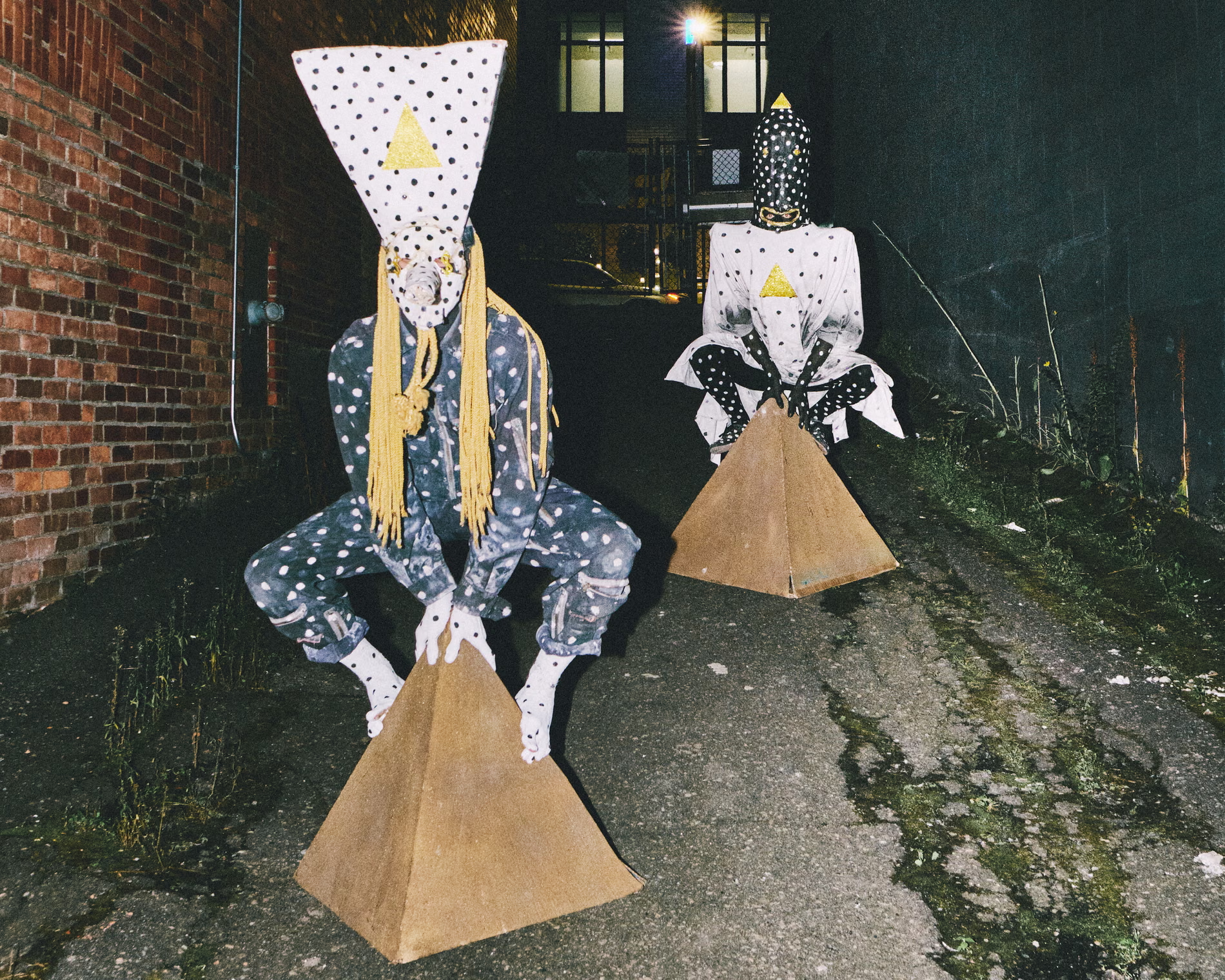
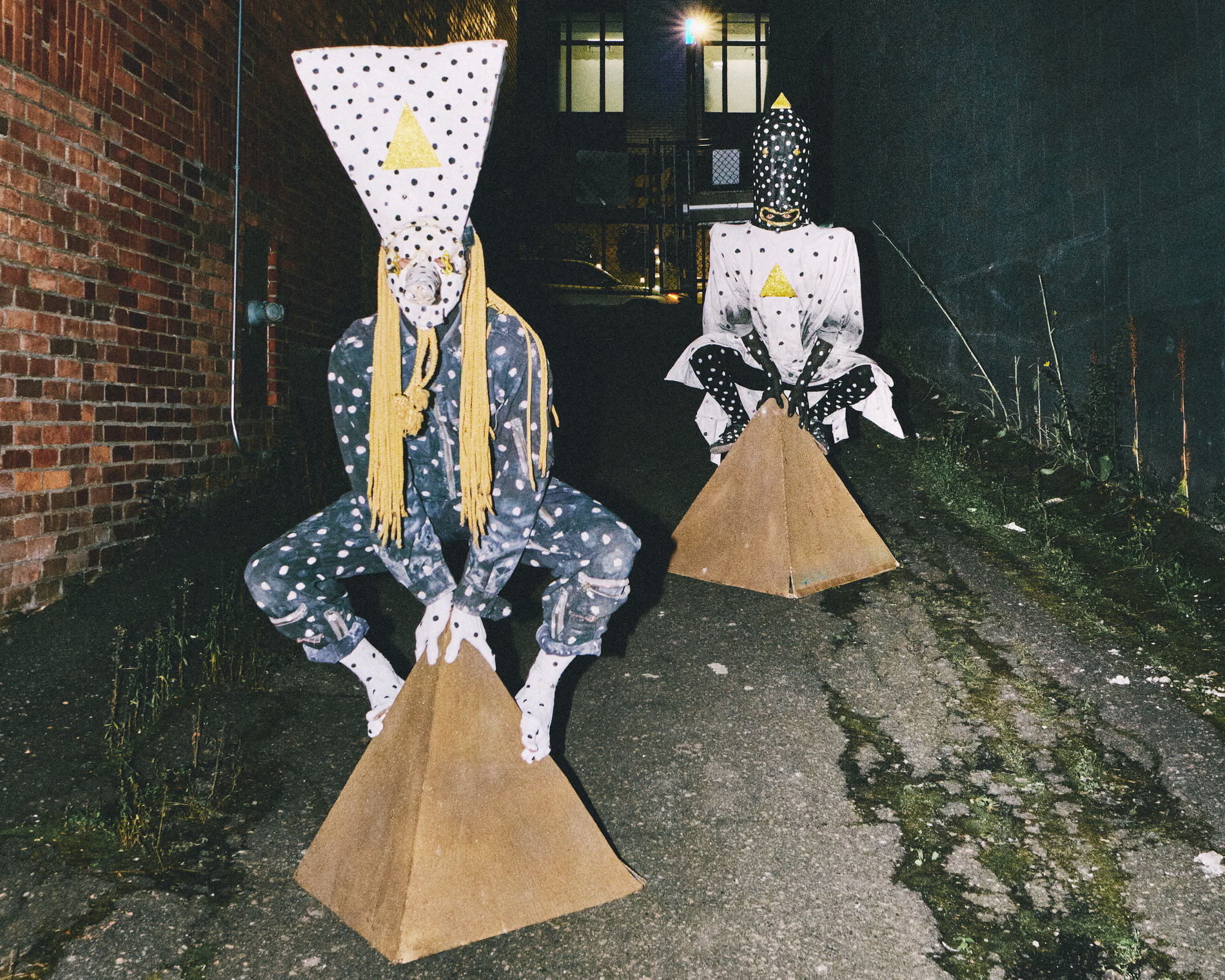
You ever meet up with friends and realise you all dreamed about each other last night? Angine de Poitrine feel like the sort of band that were catalysed into being from the simultaneous reveries of a prog fan craving complex showboating, of the kind of person who went to All Tomorrow’s Parties festival too many times and believed that the hypnotic weirdos playing at 3pm really could be pop stars if the public just gave them a chance, and of a little kid who just discovered the concept of riffs and now needs to gorge on them like Haribo. That collective hunger was met in two Quebecer dudes, dressed up like Mr Blobby via Hugo Ball, whose interlocking, ecstatic drums and dual-necked guitar/bass drilled them into the hearts of a disparate but dedicated fanbase. The vault in ambition from 2024’s more straightforward Vol I to this year’s addictively wayward Vol II really was the stuff that dreams are made of.
Otto Benson – Peanut

With what is a pretty rudimentary bedroom-indie setup – acoustic and electric guitars, bass, drum machine, synth, vocals – US singer-songwriter Otto Benson builds a warm twilit world, evoking a den made out of blankets, pillows and electric candles. His voice, and the country-tinged songs as a whole, have the soft weight of drooping eyelids – and yet the superb melody writing staves off actual slumber.
Chalk – Crystalpunk
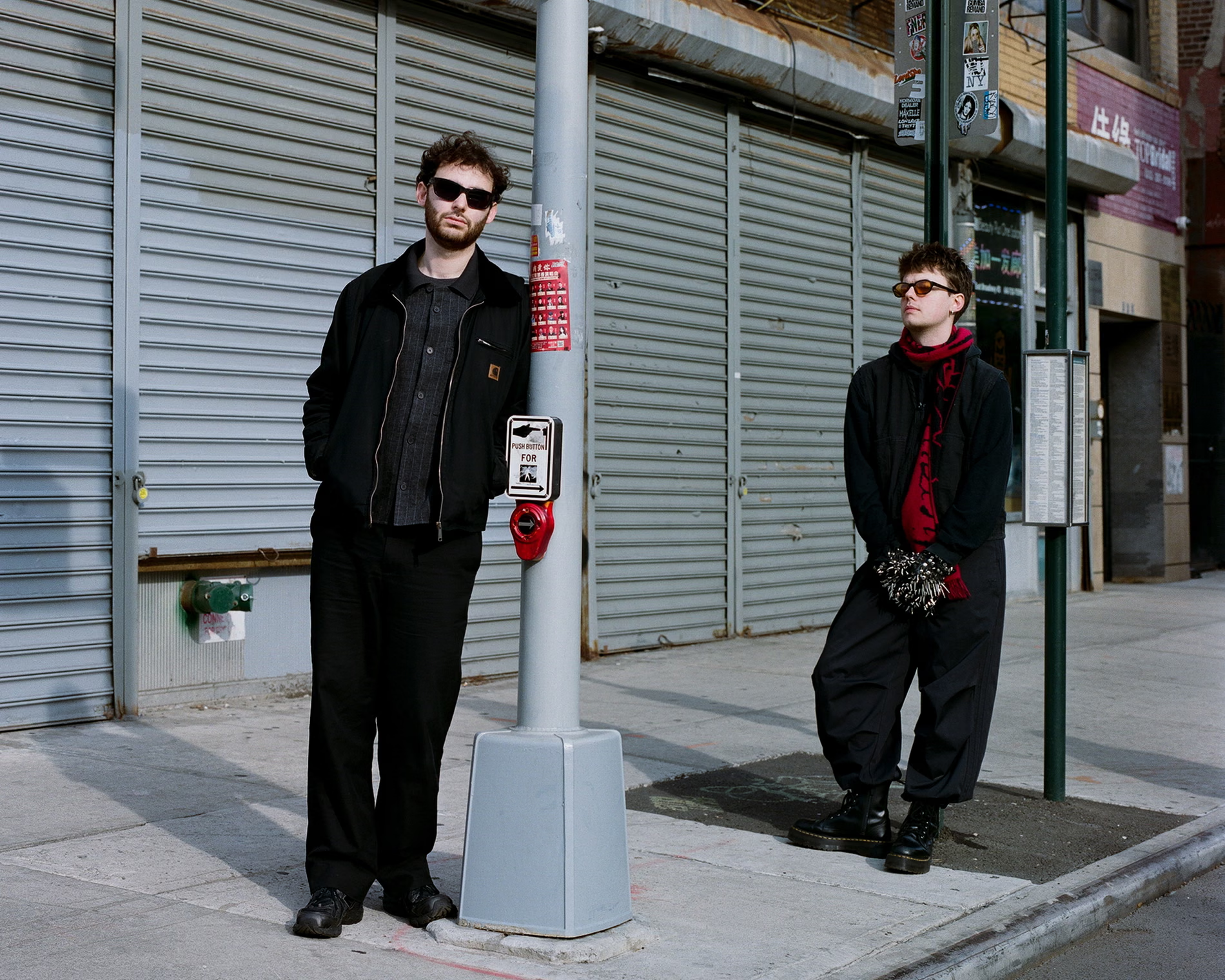
The breakbeat hacker-tech aesthetic of the Prodigy, Propellerheads and the kind of thing heard on the Matrix soundtrack was hauled into the 21st century with great passion by this Belfast duo, topped with Dave Gahan-grade goth-pop vocals by Ross Cullen. Highlights in this instant industrial-pop classic include the Underworld-esque Béal Feirste, a techno-tempo paean to their home city, and Can’t Feel It, which will rip off roofs this festival season.
Olof Dreijer – Loud Bloom

Close followers of the former Knife member’s output will already be familiar with quite a bit of Loud Bloom, released in various EPs over the past few years. You might resent Dreijer for reconstituting them into his debut solo album if the combined results weren’t so giddy and life-affirming. On one hand, I could tell you about how this zippy, Technicolor record draws from global club rhythms such as kuduro and cumbia and features vocalists from Sudan to South Africa. On the other, it might be just as accurate to say that Dreijer’s trademark synth scrunches sound like a party in a coral reef: hard, bright, wiggly and irrepressibly alluring.
Dry Cleaning – Secret Love
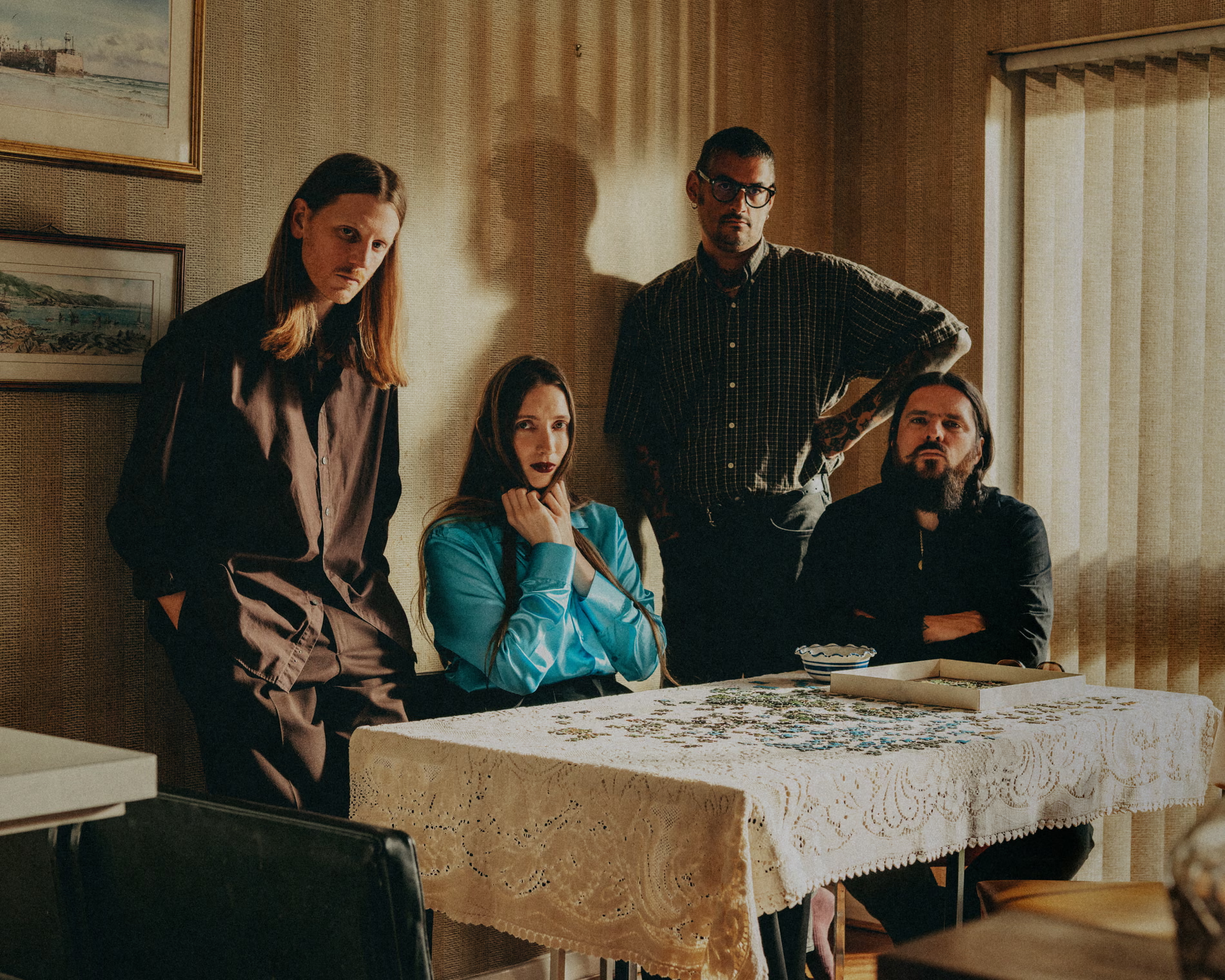
Dry Cleaning’s third album is populated by awful designers mouthing meaningless platitudes about their work, edgelords whose cynicism curdles into gory violence, influencers spouting harmful wellness advice and a succession of apparently mundane characters whose lives are on the verge of spiralling out of control. All this is related via lyrics filled with weird lines and non-sequiturs and delivered in Florence Shaw’s characteristically deadpan voice, while Dry Cleaning’s sound – delivered in impressively concise bursts – expands out from the vinegary post-punk guitars of their past work into ominous electronics, hints of folk and funk. Inventive, unique and more emotionally engaging than their reputation as sprechgesang indie’s oddballs-in-chief might suggest
Wendy Eisenberg – Wendy Eisenberg

For most indie-leaning artists, releasing a beautiful Americana record filled with love songs would hardly be worth remarking on. But for Wendy Eisenberg, a prodigious and complex guitarist known for their knotty, digressive songcraft – alone, with their bands Editrix and Birthing Hips, and as part of Bill Orcutt’s quartet; delving into rock, jazz and more – the genre fealty, clarity and brimming heart of this self-titled release hit like a shock of cold water. Having found a fully realised love with fellow musician More Eaze, Eisenberg said: “My ultimate goal is for these songs to sound beautiful because of their complexity.” The album is a finely tuned and unpredictable dance of walking bass lines, soulful pedal steel and chiming guitar, full of tension and strange time signatures – but it’s also full of songs that sound like timeless classics, radiant with melodic and spiritual resolution. “Every day, angels sing songs to me, tell me it’s finally here,” Eisenberg sings on It’s Here. “It’s here, little Wendy.”
Avalon Emerson – Written Into Changes

American musician Emerson was first the toast of underground clubland thanks to psychedelic techno odysseys such as The Frontier and One More Fluorescent Rush, then added a parallel career in new-wave vocal pop. Her latest album in the latter style is subtly but deeply ground in the former, with songs pressing relentlessly forward even at slower tempos, full of lyrics that contemplate friendship, romance and the measure of perspective you accumulate as your 30s spill away
Carla dal Forno – Confession

Inspired by a romantic fixation, the Australian coldwave singer-songwriter performs a series of vignettes that chart this intense connection from prickling excitement to listlessness and doubt. The emotional uncertainty is underlined all the more by the backings not necessarily tallying with the feelings essayed in each song. As well as prowling post-punk there’s much more chipper dub reggae and 80s-style indie-pop: counterpoints that ring true with the way love can hold so many other emotions within its bounds.
Mabe Fratti and Bill Orcutt – Almost Waking
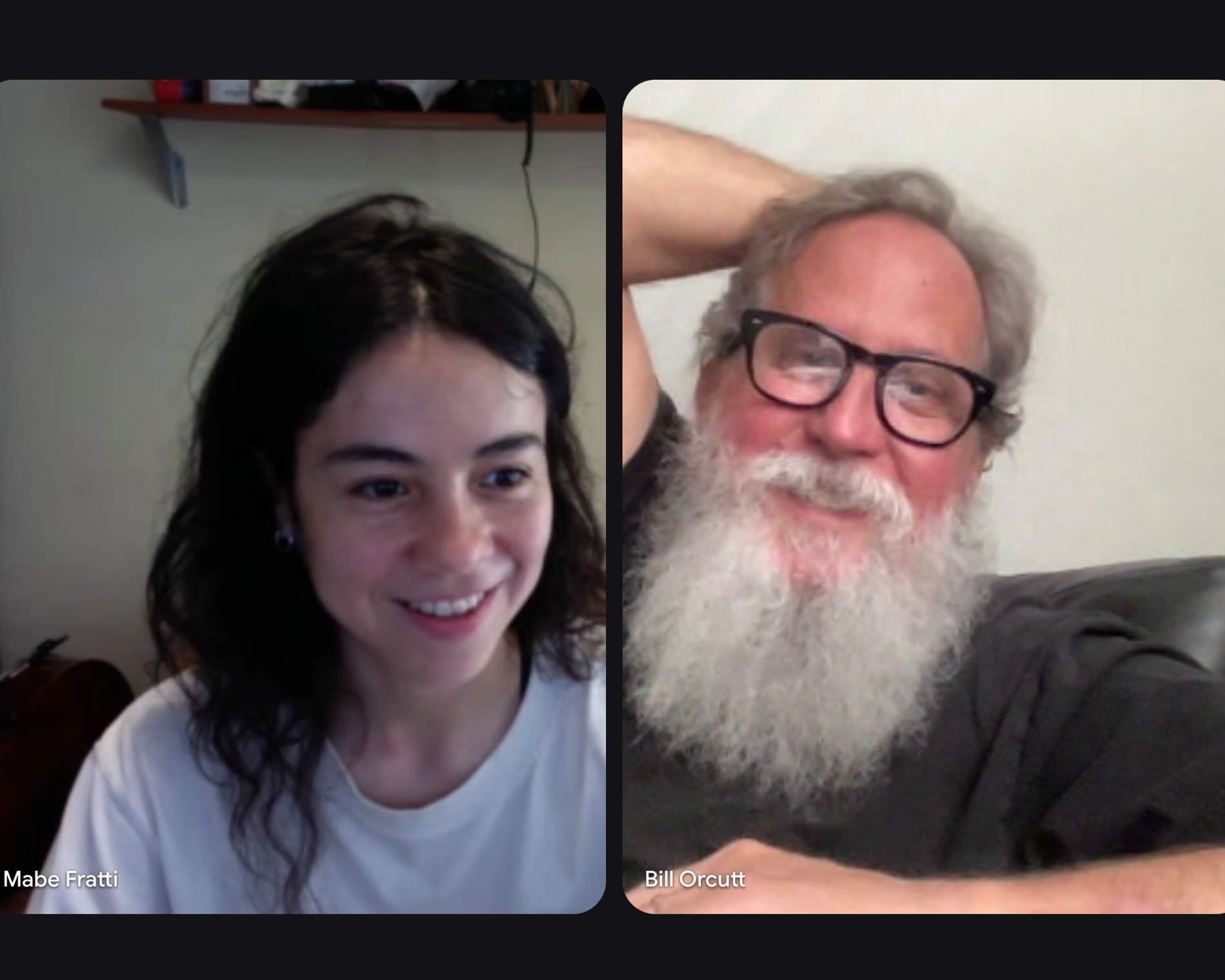
Guatemalan cellist Mabe Fratti and American experimental guitar stalwart Bill Orcutt had never met before she gave him a shout out in an interview and he hit her up about collaborating. You’d never know they were new friends from the deep interplay on the resulting album. It starts by sounding as if they’re bringing one another to life before wilding out; a clenched, frenzied midpoint yields to spacious open plains. By Todo Puede Ser Error, Fratti’s singing is as luminous as stained glass, held together by the tangled leading of Orcutt’s guitar. Warm and full of hope, Almost Waking is borderline sentimental at points – an unexpected emotion for either artist that speaks to how remarkably they catalyse one another
Phil Geraldi – Rural Deceased Undiscovered
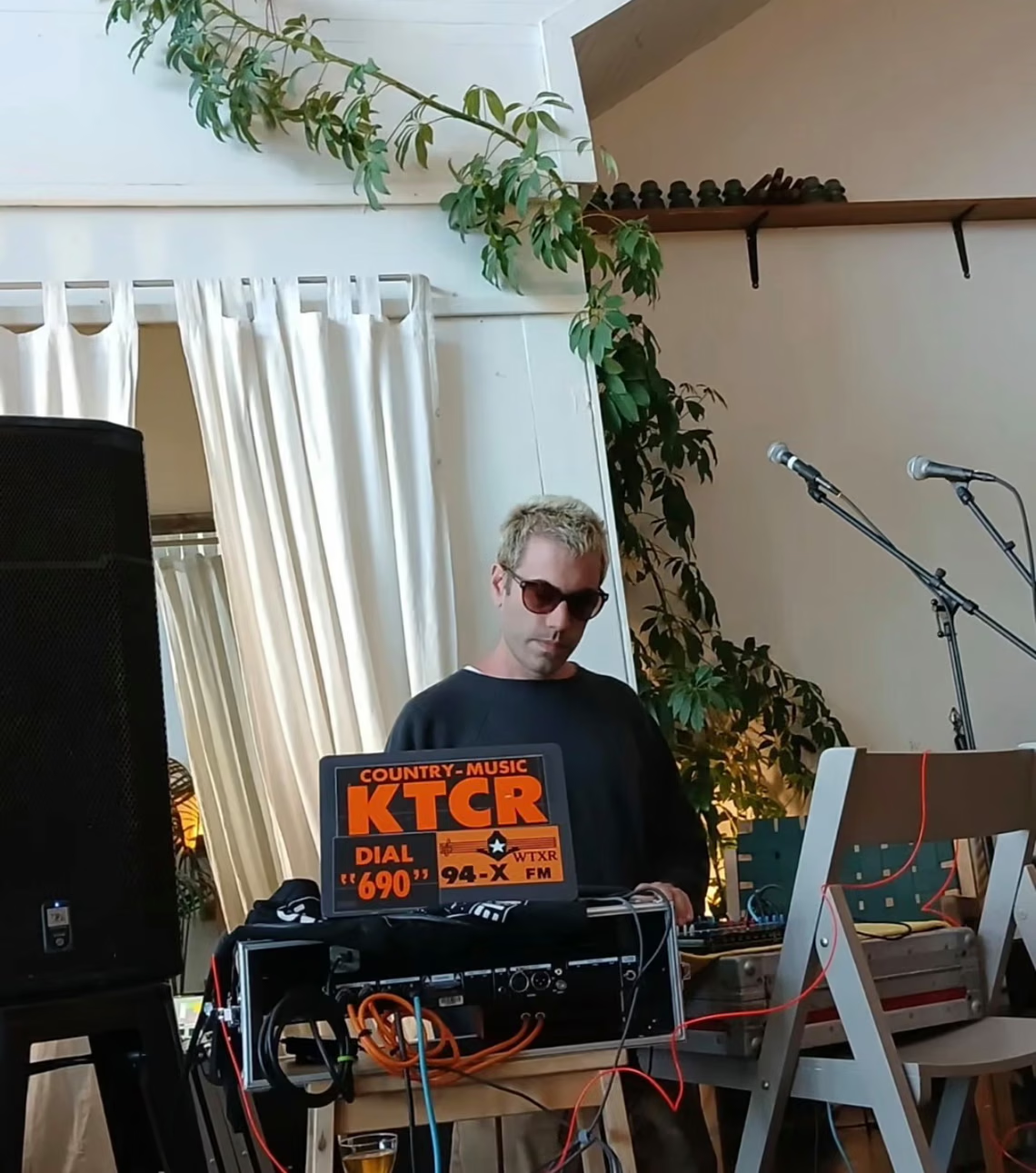
Los Thuthanaka’s Wak’a is not technically eligible for this list as it’s an EP, though don’t let that slow you from submitting to the Aymara duo’s signal-blasted primordial bliss. When you’re in need of a comedown from its ear-boxing crunch, reach for California composer Phil Geraldi’s latest: Rural Deceased Undiscovered drinks from the same pastoral pool but smears those country influences across a canvas as endless as Los Thuthanaka’s is compressed, a teeming shimmer of pedal steel and wistful, warped acoustic guitar
Hekt – Forever
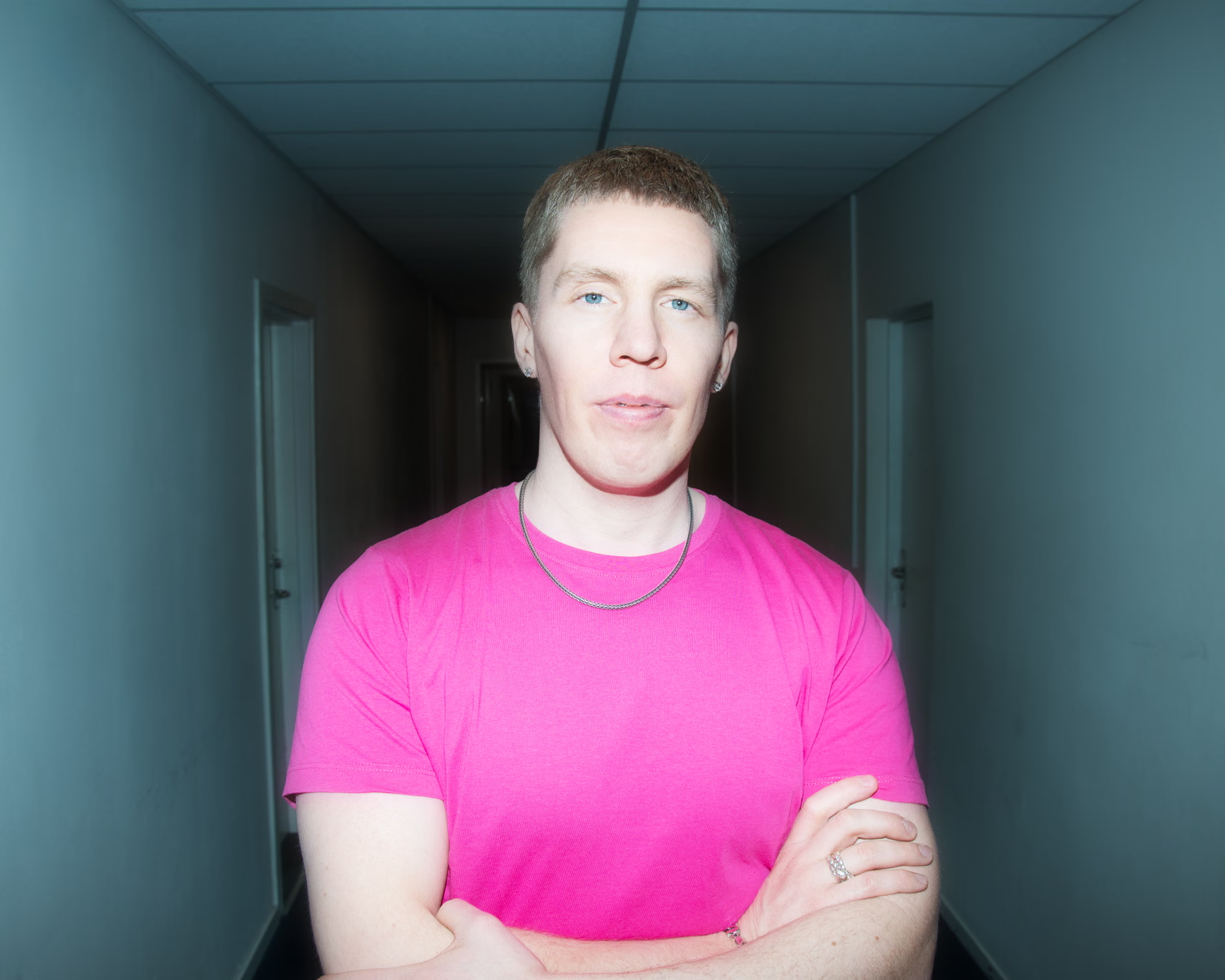
For all the boundary-pushing music coming out of Copenhagen, the scene wasn’t exactly pumping out bangers – until producer Jesper Nørbæk released his debut album as Hekt. Made with heavy collaboration from duo Smerz, Forever revels in tacky, sugary club excess – EDM drops, trance urgency, plasticky sheen, extremely silly bass, yearning anonymous vocals – and smart, avant garde touches that, crucially, avoid the pitfalls of over-intellectualising cheap thrills (calling Danny L Harle to the witness stand). Couple with Dreijer’s Loud Bloom for heady summer fun
Bruce Hornsby – Indigo Park

If you haven’t been keeping tabs on Bruce “The Way It Is” Hornsby’s latterday career, Indigo Park could come as a surprise: still best-known in the UK as a purveyor of sophisticated 80s AOR, he’s long been a resident of the musical left field, big on improvisation and experimentation that draws as much on jazz and modern classical as it does rock. Accordingly Indigo Park is all over the place in the best possible way: warped R&B with guest vocals by Bonnie Raitt; off-centre New Orleans jazz featuring the late Bob Weir of the Grateful Dead; psychedelicised piano ballads; weird chord sequences and sudden wild shifts in mood and tempo. It’s adventurous, strange and incredibly engaging
Grace Ives – Girlfriend
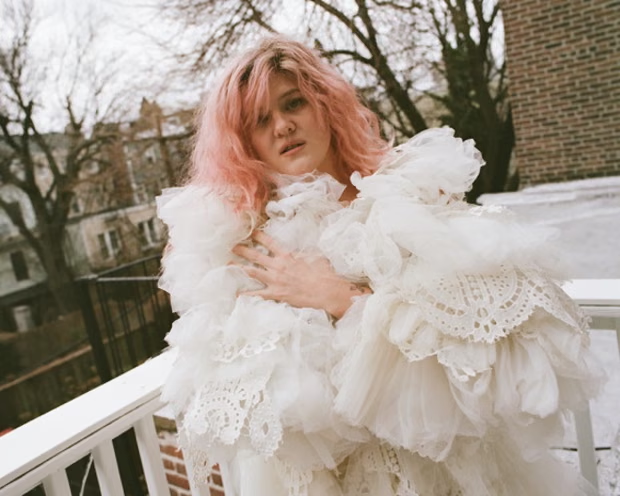
Bad recovery stories tie up everything neatly in a bow and declare happily ever after. Good ones know that sobriety isn’t a conclusion but a living beast that takes constant tending. (See also: Lena Dunham’s Famesick.) Grace Ives’ huge third album bristles with the chaos and misadventure of reckoning with what a mess life has become and trying to realign those shattered pieces – and the miracle of it is how she does so without judgment, and without diminishing the allure of the highs. Sounding recklessly, gorgeously alive, Girlfriend is a whirlwind of puckish beats and warm orchestral swells, the rush of the club and the muttered internal narrative of someone doing their best to keep a hold of themselves, shot through with fitting pop grandeur.
Lerado Khalil – Black Flag

Uttering his lyrics in a jaded, slurred, narcotised croak, it’s often hard to make out what the underground Minnesota rapper is even saying, but paired with a variety of producers given to distortion and smudges of ectoplasmic sound – including a hall-of-fame entry in the beat catalogue of cloud rap legend Clams Casino – he becomes a riveting presence. His knack for subtle melody enhances it further: Khalil is able to find a hook in a half-sentence mumble
Kim Gordon – Play Me

You might expect an 80s/90s alt-rock legend to balk at the modern world, which the former Sonic Youth bassist duly does on Play Me: tech bros, Spotify playlists, Maga and wellness influencers all get hit over the course of the album. But what’s really striking about Play Me is how alive Gordon remains to latterday musical developments: it would be easy to pander to nostalgia and retool Sonic Youth’s distinctive sound for 2026, but Play Me continues the work of her solo career to underpin her unmistakable vocals with music that takes its cues from trap, dub, electronica and hip-hop, to startling effect
The Lemon Twigs – Look for Your Mind!
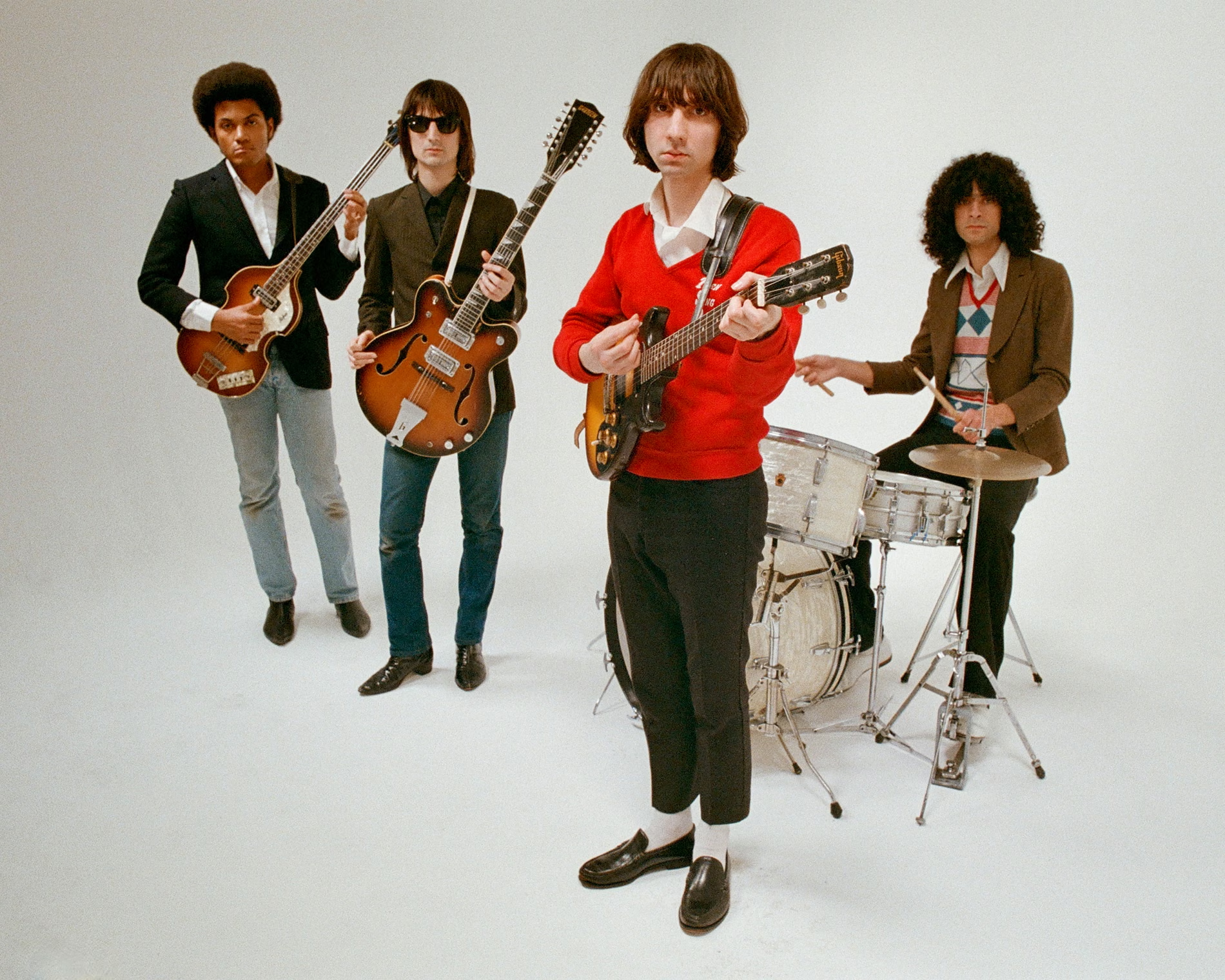
The D’Addario brothers are not musicians engaged in reinventing the wheel. As ever, their inspirations – from Merseybeat to Big Star to the Beach Boys – are very evident indeed on their sixth album. The point is that they’re so preposterously skilled as writers, their evident fandom is a joy to behold: every track on Look for Your Mind! sparkles. Modern life encroaches on Bring You Down – “they’re gonna take my job and give it to a metal machine,” it protests – but for the most part, it’s an album that exists in its own innocent universe, where the 21st century is the stuff of sci-fi. It’s a pleasure to visit.