
The Costume Institute’s spring 2026 exhibition is titled “Costume Art”
The Met Gala 2026 — aka fashion’s biggest night — is just around the corner.
The event, taking place on May 4 at the Metropolitan Museum of Art in New York City, will adhere to the theme of “Costume Art” and honors the spring 2026 exhibition of the same name. The official dress code has been revealed as “Fashion Is Art.”
Held annually on the first Monday in May, the Met Gala we know now was introduced by former Vogue editor-in-chief Diana Vreeland after she joined the committee. Vreeland introduced the concept of themes for each gala, starting with a celebration of Cristóbal Balenciaga’s fashion in 1973 just one year after his death. The Met Museum had previously hosted annual events celebrating its Costume Institute during the 1950s and 1960s,
This year’s gala is set to be a star-studded affair with a slew of highly anticipated guests and a dress code that invites a wide range of interpretations.
Ahead, get all the details on the 2026 Met Gala, from a breakdown of the theme to how to watch the red carpet live.
What Is the 2026 Met Gala Theme?
On Monday, Nov. 17, Vogue announced that the theme of the Metropolitan Museum of Art’s spring 2026 exhibition is “Costume Art,” marking the inauguration of the Institute’s first permanent galleries at the museum. The nearly 12,000-square-foot Condé M. Nast Galleries will sit adjacent to The Met’s Great Hall, and its opening indicates “a huge moment for the Costume Institute,” shared curator in charge Andrew Bolton.
“It will be transformative for our department, but I also think it’s going to be transformative to fashion more generally — the fact that an art museum like The Met is actually giving a central location to fashion,” he continued.
Bolton’s exhibition addresses “the centrality of the dressed body in the museum’s vast collection,” by pairing paintings, sculptures and other objects spanning the 5,000 years of art represented in The Met, alongside historical and contemporary garments from the Costume Institute.
What Is the 2026 Met Gala Dress Code?
On Monday, Feb. 23, Vogue announced the dress code of the 2026 Met Gala as “Fashion Is Art.”
Bolton previously explained: “What connects every curatorial department and what connects every single gallery in the museum is fashion, or the dressed body. It’s the common thread throughout the whole museum, which is really what the initial idea for the exhibition was, this epiphany: I know that we’ve often been seen as the stepchild, but, in fact, the dressed body is front and center in every gallery you come across. Even the nude is never naked. It’s always inscribed with cultural values and ideas.”
Who Are the 2026 Met Gala Co-Chairs?
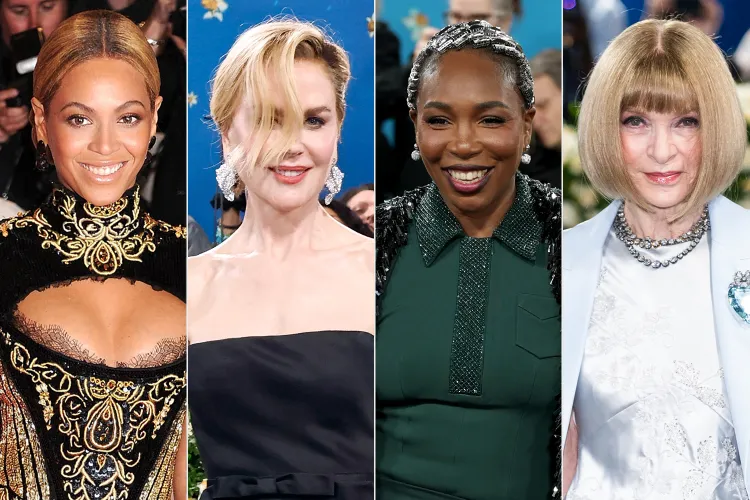
The 2026 Met Gala co-chairs are Beyoncé, Nicole Kidman, Venus Williams and Anna Wintour.
The event will mark Beyoncé’s first Met Gala appearance in a decade since 2016 when she attended the Manus x Machina gala in Givenchy Haute Couture. She’s attended seven times since making her debut in 2008.
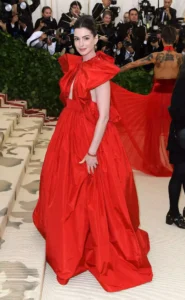
How to Watch the 2026 Met Gala Red Carpet
The 2026 Met Gala livestream will be available via Vogue’s various digital platforms, including YouTube and TikTok. The stream will start at 6 p.m. ET/3 p.m. PT on Monday, May 4. Ashley Graham, La La Anthony and Cara Delevingne will serve as hosts, with Emma Chamberlain reprising her past role as Red Carpet Correspondent.
When Will the Exhibit Run?
The “Costume Art” exhibit will run from May 10, 2026, to Jan. 10, 2027. The Costume Exhibit and the Met Gala work in tandem, with fashion’s biggest event carrying the same theme.
This year’s Met Gala exhibit will feature 25 new mannequins modeled after a variety of body types, disrupting a world of fashion where size 2 display figures are the norm. As reported by CBS News, the initiative not only embraces a movement around body diversity but is very much reflective of the new showcase, which examines the dressed body in art over centuries.
Bolton said the goal is “to challenge a history of museum mannequin display that’s very much characterized by thin, abled and standardized bodies,” while also representing “a diverse range of real bodies with real, lived experiences.”