
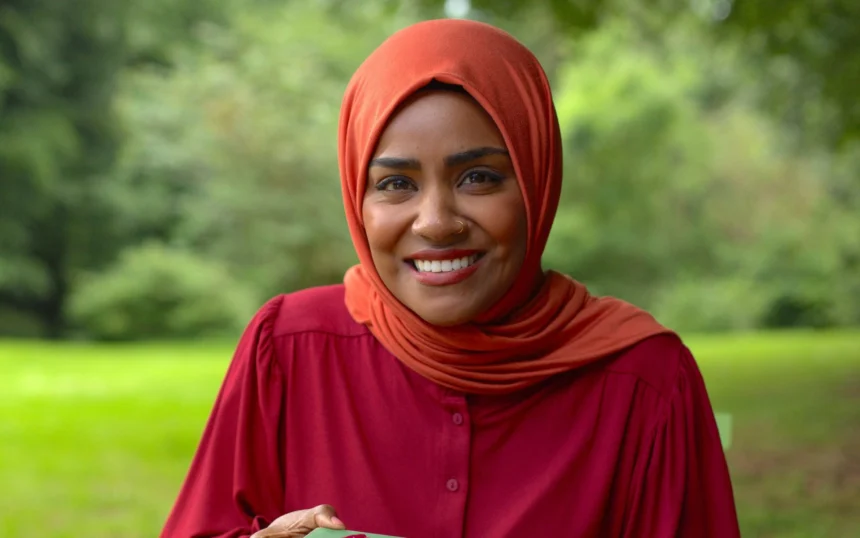
The former Bake Off winner has taken to sharing incendiary comments about Ed Sheeran’s ‘white tears’
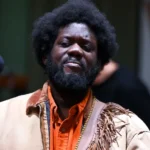
Once upon a time Nadiya Hussain was the poster girl for just how open and multicultural our society apparently was. After winning The Great British Bake Off in 2015, the second-generation British Bangladeshi became a major TV star and an award-winning author.
Buckingham Palace asked her to bake a cake for Queen Elizabeth II’s 90th birthday, she was awarded an MBE and a university doctorate. She seemed on her way to national treasure status.
Indeed, in a 2018 report into community cohesion following the 2001 race riots in northern England, Professor Ted Cantle described how she had “probably done more for British Muslim relations than 10 years of government policy”. How that has soured.
Earlier this year, after her 10-year run at the BBC came to an end, she lashed out about not being allowed to be authentically herself – but instead “a palatable version of a Muslim” – and how she was paid less than white presenters.
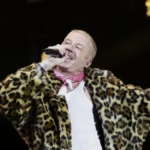
And now she has stepped into the toxic row over Ed Sheeran refusing to back his anti-Zionist opening act Macklemore by posting a video on her Instagram which claimed the singer was shedding “white tears”.
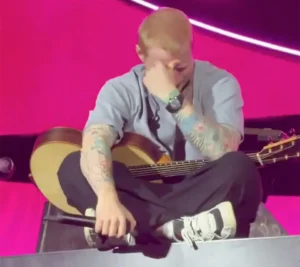
While Hussain hasn’t spoken out about the row herself, the sharing of the video to her one million Instagram fans speaks volumes. It featured therapist Megan Cooper commenting on Sheeran’s tears on stage on Saturday night. He had talked about how he thought his career was over after Macklemore was fired from his show, his other support acts all walked out and he started getting death threats.
“We’re all waking up to Ed Sheeran’s statement on stage,” says Cooper in the video. “For those of us in white bodies, we need to understand and educate ourselves on white tears. What happens is we become the victims.”
Is Hussain, this former icon of multiculturalism, really pushing the idea that white people can’t cry about themselves? The very idea of “white tears” is one of those racist mantras that really belong in the bin.
What does this say about where we are with multiculturalism? And what does it tell us about the real Nadiya Hussain: has she changed, or is this who she always was?
One can only imagine the way the BBC’s eyes lit up in 2015 when Nadiya made her first appearance on Bake Off, at that time one of the biggest shows on television.
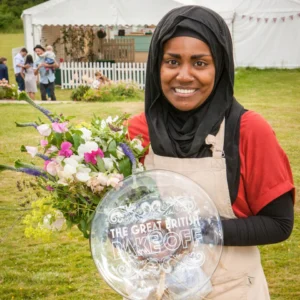
Here was a beautiful and articulate woman of colour, a proud Muslim who wore a headscarf and who seemed to have a genuine love affair with the man her parents chose in an arranged marriage. Nadiya also had the perfect “journey” from anxiety and depression to winner.
She ticked every box there was for a corporation which was aware that its presenters and staff were too pale and stale. The BBC decided to turn her into a star. And how it succeeded. Hussain remains the only Bake Off winner to have ever been given her own show by the BBC.
Her first solo outing, The Chronicles of Nadiya, was part travelogue as she traced her culinary roots to Bangladesh. She became a contributing editor to the BBC Good Food magazine and even replaced Mary Berry as a judge on Junior Bake Off. When the BBC envelopes you in love, you really feel it. Maybe you start to believe it you are as special as everyone tells you.
Nadiya has admitted that as she grew in confidence, she became more determined to do things her way and has suggested this as why she was fired. “I think there was a point where I realised that I don’t want to have to answer to anyone,” she told The Guardian. “I started to feel like a caricature of myself. I’d become a version of myself that was manufactured and comfortable for everybody. I’d become this really comfortable version of myself that was easy to digest.”
She said she struggled with racism in the television industry and hated being told what she could put on her social media. “I’m sure there are people in the industry who will say I’m difficult,” she continued. “That’s because I’ve complained. Eventually, I just stopped complaining, but then I realised that’s not the right thing to do.”
It may well be true that the BBC chose Nadiya as their highest-profile Muslim entertainer but wasn’t actually interested in what she authentically wanted to say.
But, perhaps even more key, TV bosses will go on ratings and popularity. For most people, presenting is not a job for life. After 10 years of doing similar shows with ratings that were perhaps falling rather than rising, Nadiya just wasn’t as popular anymore. That happens; it happens to lots of people, and it has nothing to do with race.
After the BBC cancelled her work, Nadiya seemed to go down a hole of grievance and victimhood without celebrating the enormous opportunity she’d been given. And there’s an irony here; her sharing of that incendiary “white tears” post suggests she won’t allow Ed Sheeran a similar sadness in a week he felt like his career was over. But surely upset and tears don’t only belong to non-white people?